
Technical Apparel & The Gorpcore Myth
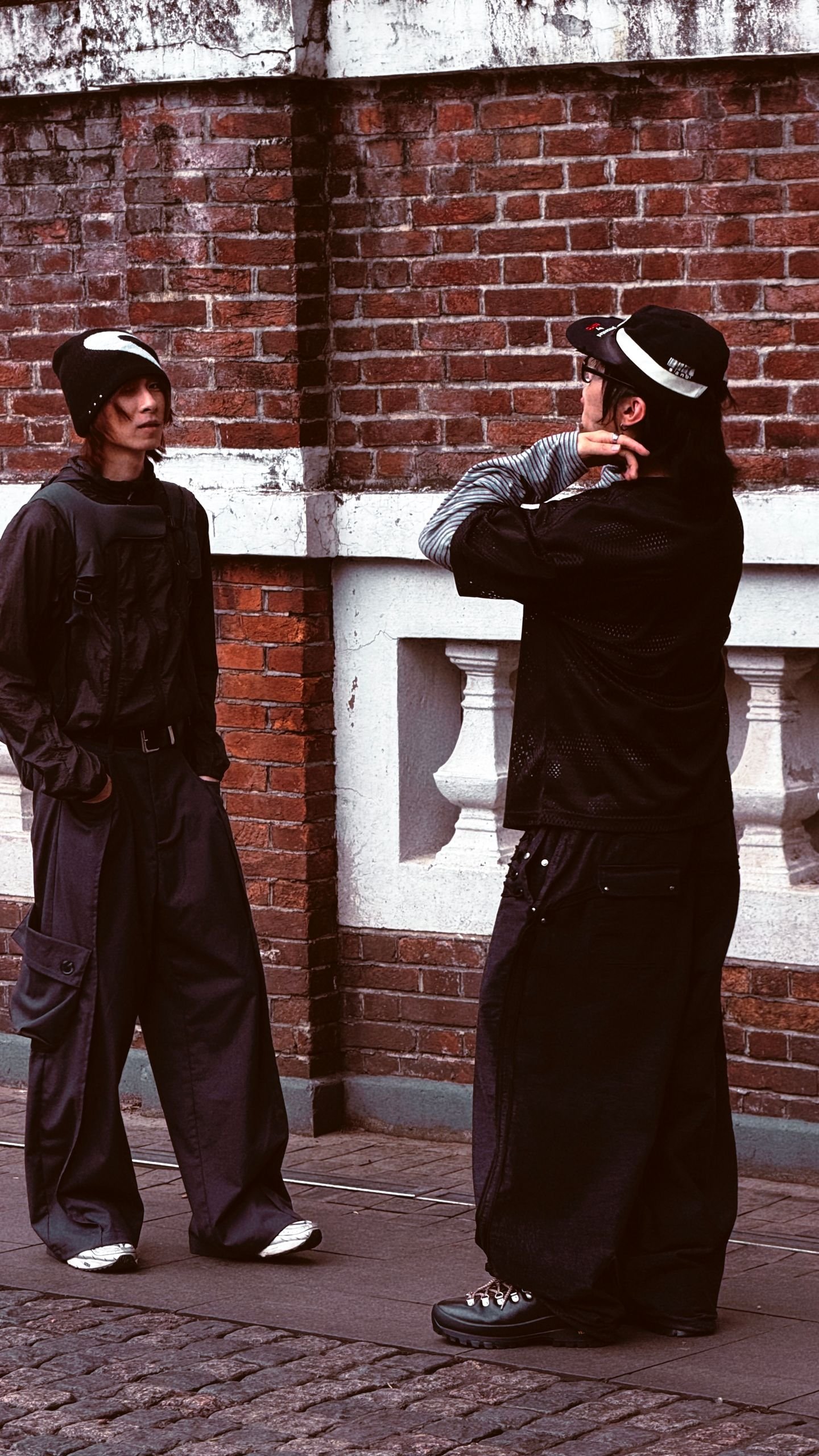
Most people treat clothing as an afterthought. It’s a functional necessity, a default setting, or simply whatever happens to be cleanest on the shelf. They step outside dressed for absolute convenience, indifferent to silhouette, texture, or history. And honestly? That’s fine for them.
But for those who actually care about what they wear, garments are never just fabric—they are an extension of taste, intention, and subcultural identity.
In a modern landscape saturated with hyper-fast fashion, homogenised trend cycles, and disposable outerwear, standing out has become increasingly difficult. Everything looks recycled from last season’s high-street rack. Yet, if you look backward—specifically into the golden eras of technical design, Japanese outdoor curation, and turn-of-the-millennium outerwear—you find a completely different philosophy.
You find pieces that effortlessly bridge the gap between pure outdoor utility and uncompromising aesthetic focus.
The “Gorpcore” Myth: From Buzzword to Permanent Standard
A few years back, the fashion industry rushed to label this movement “gorpcore”—a somewhat corny piece of industry jargon coined to capture the sudden rise of outdoor gear on city streets. Mainstream media treated it like a passing internet trend, expecting the fleeces, trail runners, and technical shells to vanish as quickly as neon colour-blocking or dad shoes.
They miscalculated.
While fashion houses scrambled to cash in with overpriced, logo-heavy imitations, the underlying culture didn’t fade—it matured. What was dismissed as a gimmick anchored itself as a permanent staple across modern streetwear, high fashion, and archival curation.
Why? Because unlike pure aesthetic trends, functional gear provides something superficial fashion cannot: real-world utility and genuine engineering. Long after the buzzword lost its novelty, the appreciation for technical construction, weather-resistant membranes, and subcultural history remained. The hype died down, leaving behind a dedicated community that values the authentic, hard-to-find originals over commercialised commodification.
The Intersection of Purpose and Expression
The intersection of functionality and style isn’t new, but its modern expression through vintage and archival gear is distinct. Authentic technical gear from past decades—whether it’s late-90s Japanese mountain wear, early-2000s GORE-TEX shells, or short-run functional headwear—was built under a different set of rules.
Designers back then weren’t catering to a temporary aesthetic trend on a social feed. They were solving physical problems:
- Ergonomic panelling engineered for movement.
- Unconventional pocket placements designed for actual field use.
- Complex, high-grade fabrications meant to withstand extreme weather without breaking down.
When you take those purpose-driven design choices out of their original context and bring them into everyday urban wear, something remarkable happens. The utility turns into structural detail. The weatherproofing becomes texture. The garment carries an undeniable, standout vibe because its design is real, not simulated.
Crossing Eras to Build a Personal Uniform
What makes archival and technical gear so compelling to style today is versatility across eras. You aren’t tied to a single decade’s uniform.
A piece of late-90s headwear with explicit panel construction and reflective hits pairs seamlessly with a mid-2000s articulated technical jacket or minimalist Japanese trousers. These garments carry details that modern mass-market brands simply cannot replicate without high production costs: intricate taping, early-era membrane construction, hardware from deadstock suppliers, and unique colour blocking that feels both nostalgic and futuristic.
Reaching for these pieces is an active choice to reject the default. It’s an appreciation for design details that demand a second look:
- The Silhouette: Boxy, cropped, or articulated cuts that hold structural shape on the body.
- The Utility: Functional hardware—like storm-hood cinches, waterproof taping, and modular pockets—that doubles as visual weight.
- The Design: Unique construction and materials, often one-of-one that modern production just cannot replicate.
- The Rarity: The quiet confidence of knowing the jacket or cap you’re wearing isn’t sitting on a shelf in a hundred shopping malls.
Curation Over Consumption
Ultimately, bridging functional outdoor-wear with fashion focus comes down to curation over raw consumption. It’s about building a wardrobe of individual pieces that each carry a story, a specific era of technical innovation, and a clear visual purpose.
For the vast majority, clothing will always just be something to put on. But for those tuned into the nuance of construction, era-specific design, and subcultural history, archival gear offers a way to navigate the world with real intention—dry, comfortable, and styled entirely on your own terms.